May 5, 2026
Siding is an integral part of your home's exterior, offering both protection and aesthetic appeal. Proper maintenance ensures that siding not only looks good but also performs its protective functions effectively, and investing in a professional siding service can help homeowners maintain long-term durability and appearance.
Maintaining Cleanliness and Appearance
Regular cleaning of your siding is crucial to maintaining its appearance and structural integrity. Over time, dirt, mold, and mildew can accumulate, leading to discoloration and potential damage. Cleaning your siding helps prevent these issues and extends the lifespan of the materials. Furthermore, a clean exterior boosts your home's curb appeal, potentially increasing its market value. Considering the investment involved in siding, keeping it clean is a small but essential task.
Using Effective Cleaning Techniques
To effectively clean your siding, it is recommended to use a pressure washer for efficient dirt and grime removal. According to Forbes, homes with vinyl siding should be pressure-washed with a psi between 2,500 and 3,000. Besides pressure washing, a soft-bristle brush and a cleaning solution specifically designed for siding can be effective for spot cleaning. This dual approach ensures thorough cleaning without damaging the surface. Always follow manufacturer instructions to avoid voiding warranties during the cleaning process, or consider a siding service for safe and efficient cleaning.
Following Recommended Cleaning Frequency
The frequency of cleaning your siding depends on various factors, including local climate, nearby vegetation, and exposure to pollutants. Our team recommends cleaning your siding at least once a year as a general best practice. Homes in humid areas may require more frequent cleaning due to the risk of mold growth. By adhering to a regular cleaning schedule, you can monitor any developing issues early. This proactive approach is key to long-term maintenance and can be supported by scheduling a siding service annually.
Using Proper Materials and Tools
Having the right materials and tools can make the cleaning process more efficient. At a minimum, you'll need a pressure washer, a hose, a soft-bristle brush, and a ladder. Additionally, selecting a cleaning solution specifically formulated for your siding type helps ensure effectiveness and safety. These tools support proper cleaning while minimizing the risk of damage. When in doubt about appropriate products or techniques, consulting a siding service can help ensure the job is handled correctly.
Identifying and Addressing Damage
Siding can suffer various types of damage, including cracks, warping, and mold infestation. Each type of material, be it wood, vinyl, or fiber cement, has its vulnerabilities. Cracks can allow moisture to seep in, causing more serious structural problems. Warped siding is often a sign of excessive heat exposure or moisture issues. Identifying these damages early is key to preventing more extensive repairs, and a siding service can assist with proper assessments.
Recognizing Early Signs of Wear
Regular inspections are crucial to spotting early signs of wear and tear on your siding. Look for discoloration, small cracks, and any signs of peeling or mold. Early detection allows for timely intervention before issues worsen. Also, check for any rust or rot, especially in metal or wood siding. Maintaining awareness of these warning signs can significantly extend the life of your siding by signaling when to contact a siding service for professional evaluation.
Relying on Professionals for Repairs
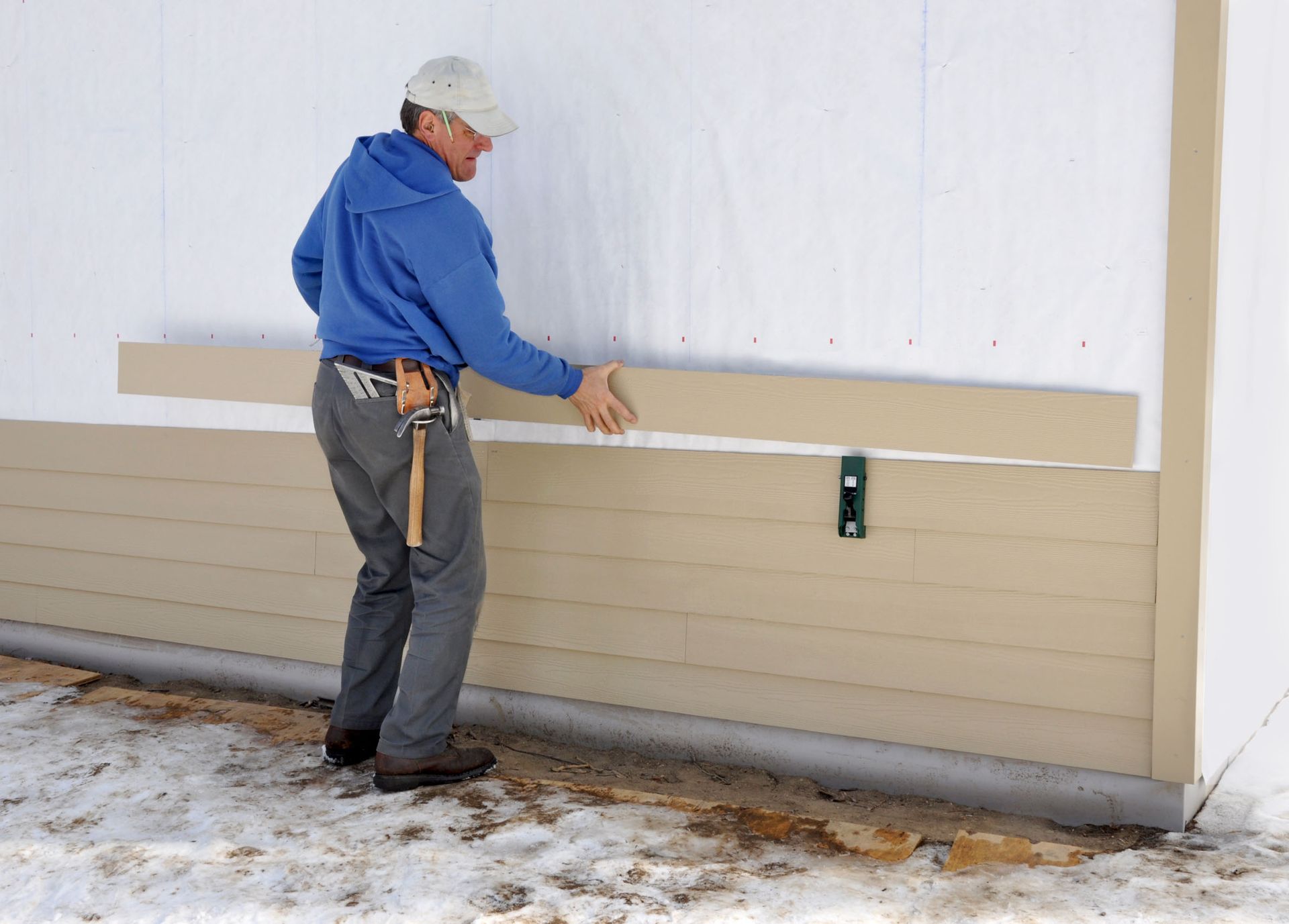
Addressing siding damage requires the right tools, materials, and experience. Rather than attempting repairs independently, homeowners are encouraged to rely on a professional siding service that has the proper equipment and training to complete the work safely and effectively. Professional teams can accurately assess the extent of the damage and recommend appropriate solutions, helping to prevent further complications and ensuring long-lasting results.
Preventing Future Damage
Preventive measures include scheduling regular inspections and ensuring timely maintenance through a qualified siding service. Installing protective barriers, such as splash guards, can further protect the siding. Additionally, ensuring proper ventilation around your home can reduce moisture-related problems. Being proactive in response to weather forecasts, particularly during extreme weather seasons, can also help reduce risk. These preventive strategies protect your investment and reduce the likelihood of extensive repairs.
Protecting Against Weather Elements
Understanding your local climate helps in planning appropriate protective measures for your siding. Each region presents unique challenges, from intense sunlight and heat to heavy snowfall and rain. Assess how these elements interact with your siding material and adjust maintenance practices accordingly. Acknowledging climate patterns helps guide material choices and maintenance planning. Being climate-conscious supports strategic, effective siding care year-round, and a siding service can help reinforce your home against these environmental stressors.
Applying Weatherproof Coatings
Weatherproof coatings provide an additional layer of protection for your siding against the elements. They come in various formulations tailored for specific materials, such as wood or vinyl. These coatings not only shield from rain and sunlight but also enhance the siding's overall appearance. Selecting the appropriate coating can help prevent color fading, warping, and moisture intrusion. Professional application ensures proper coverage and long-term effectiveness.
Dealing With Extreme Weather Conditions
Extreme weather necessitates heightened precautions to protect your siding. After strong winds, hail, or heavy snow, it is important to have your siding inspected for potential damage. Timely attention following severe weather can prevent minor issues from escalating into costly repairs. A professional siding service can evaluate structural integrity and address any concerns safely. Preparing for and responding to extreme conditions quickly helps maintain long-term siding performance.
Preparing for Seasonal Changes
Seasonal preparation ensures that your siding is ready to face changing weather patterns. Scheduling inspections in spring can help prepare for summer heat, while fall assessments can address concerns before winter conditions set in. These evaluations allow for early identification of issues and the application of protective treatments where necessary. Planning maintenance around seasonal changes helps preserve siding health throughout the year.
Selecting the Right Materials
Selecting the right siding material is core to its longevity and performance. Popular options include vinyl, wood, fiber cement, and metal, each with distinct properties. Considering factors such as cost, aesthetic appeal, and climate compatibility can help guide the decision-making process. Comparing materials allows homeowners to weigh advantages and limitations. A thoughtful selection supports long-term performance and aligns with the overall design of the home.
Evaluating Key Buying Factors
Important considerations include initial costs, long-term maintenance requirements, and expected lifespan. Evaluating how well a material complements your home's architectural style and surrounding environment is also essential. Energy efficiency features can contribute to long-term savings, while environmental impact has become an increasingly important factor. Reviewing these elements carefully helps ensure a well-informed investment.
Considering Long-Term Durability and Costs
The relationship between durability and cost is an essential consideration in siding selection. While materials like metal and fiber cement may involve higher upfront costs, they often require less maintenance over time. Other materials, such as vinyl, may be more budget-friendly initially but can involve more frequent upkeep. Understanding these long-term implications helps homeowners make practical, cost-effective decisions.
Considering Environmental Impact
Environmental considerations continue to influence siding choices. Materials such as fiber cement and recycled metal offer eco-friendly benefits that align with modern sustainability standards. Certifications and eco-labels can provide insight into responsible manufacturing practices. Selecting materials with recyclable properties can help reduce environmental impact at the end of their lifecycle. Making environmentally conscious decisions supports both long-term durability and sustainability goals.
Working With Trusted Professionals
For homeowners looking to simplify maintenance and ensure long-lasting results, working with a professional team can make all the difference. Sublime Exteriors provides reliable siding service tailored to your home's needs, from routine inspections to repairs and upgrades. Contact Sublime Exteriors today to keep your siding protected and looking its best year-round.