July 24, 2026
Siding installation is an important home improvement project that improves curb appeal, protection, energy performance, and long-term property value. New siding helps shield the home from rain, wind, pests, and temperature changes while creating a cleaner and more updated exterior appearance. Understanding what happens before, during, and after the project allows homeowners to feel prepared and confident. With the right planning, materials, and professional support, the process can be smooth, efficient, and rewarding for any homeowner.
Initial Consultation and Planning
The first stage of siding installation begins with a consultation. During this meeting, homeowners discuss their goals, concerns, preferred styles, and budget with a contractor. This is the time to review color options, siding materials, maintenance expectations, and design details that will affect the final appearance of the home.
Popular siding options include vinyl, wood, fiber cement, engineered wood, and metal. Vinyl is often selected for affordability and easy maintenance, while wood offers a classic and natural appearance. Fiber cement provides strong durability and resistance to moisture, pests, and fire. The best material depends on the home’s style, local climate, and the homeowner’s long-term priorities.
Assessing the Home’s Exterior
Before siding installation begins, the contractor will inspect the current exterior. This assessment helps identify damaged areas, moisture problems, loose boards, rot, or structural concerns that should be addressed before new siding is added. Skipping this step can lead to hidden problems that reduce the effectiveness of the new materials.
Measurements are also taken during this phase. Accurate measurements help determine how much material is needed and reduce waste. A detailed assessment allows the contractor to provide a clearer estimate and helps homeowners understand whether repairs, insulation upgrades, or additional preparation will be required.
Budgeting and Project Details
A realistic budget is essential for any siding installation project. Costs can vary based on the size of the home, chosen materials, labor requirements, removal of old siding, repairs, and finishing details. Homeowners should ask for a written estimate that clearly explains what is included.
The project timeline should also be discussed before work begins. Weather, material availability, and the condition of the home can all affect scheduling. A clear timeline helps reduce confusion and allows homeowners to prepare for noise, equipment, and limited access around parts of the property.
Contract Review and Preparation
Before work starts, homeowners should review the contract carefully. The agreement should include the scope of work, materials, costs, payment schedule, warranties, cleanup responsibilities, and procedures for unexpected repairs. A detailed contract protects both the homeowner and the contractor by setting clear expectations.
Preparation may also include obtaining permits, ordering materials, and arranging delivery. Contractors typically handle permit requirements, but homeowners should confirm that all local regulations are being followed. Proper preparation helps prevent delays and supports a smoother siding installation from the beginning.
Preparing the Job Site
Once materials are ready, the contractor prepares the work area. This may include protecting landscaping, moving outdoor furniture, setting up ladders or scaffolding, and creating a safe space for tools and debris. Good site preparation helps limit disruption and keeps the property organized during the project.
Old siding is usually removed before the new material is installed. During removal, contractors may uncover damage that was not visible during the first inspection. Issues such as rotted sheathing, mold, or insect damage should be repaired before the siding installation continues. Addressing these problems helps create a stable surface for the new exterior.
Installing Protective Layers
After the old siding is removed and repairs are completed, contractors may install underlayment, house wrap, flashing, or insulation. These layers help improve moisture protection, reduce air leaks, and support energy efficiency. Properly installed underlayment is especially important because it helps protect the wall system beneath the visible siding.
Flashing is added around windows, doors, corners, and other vulnerable areas to help direct water away from the home. These details may not always be visible after the project is complete, but they play a major role in the long-term performance of siding installation.
Applying the Siding Panels
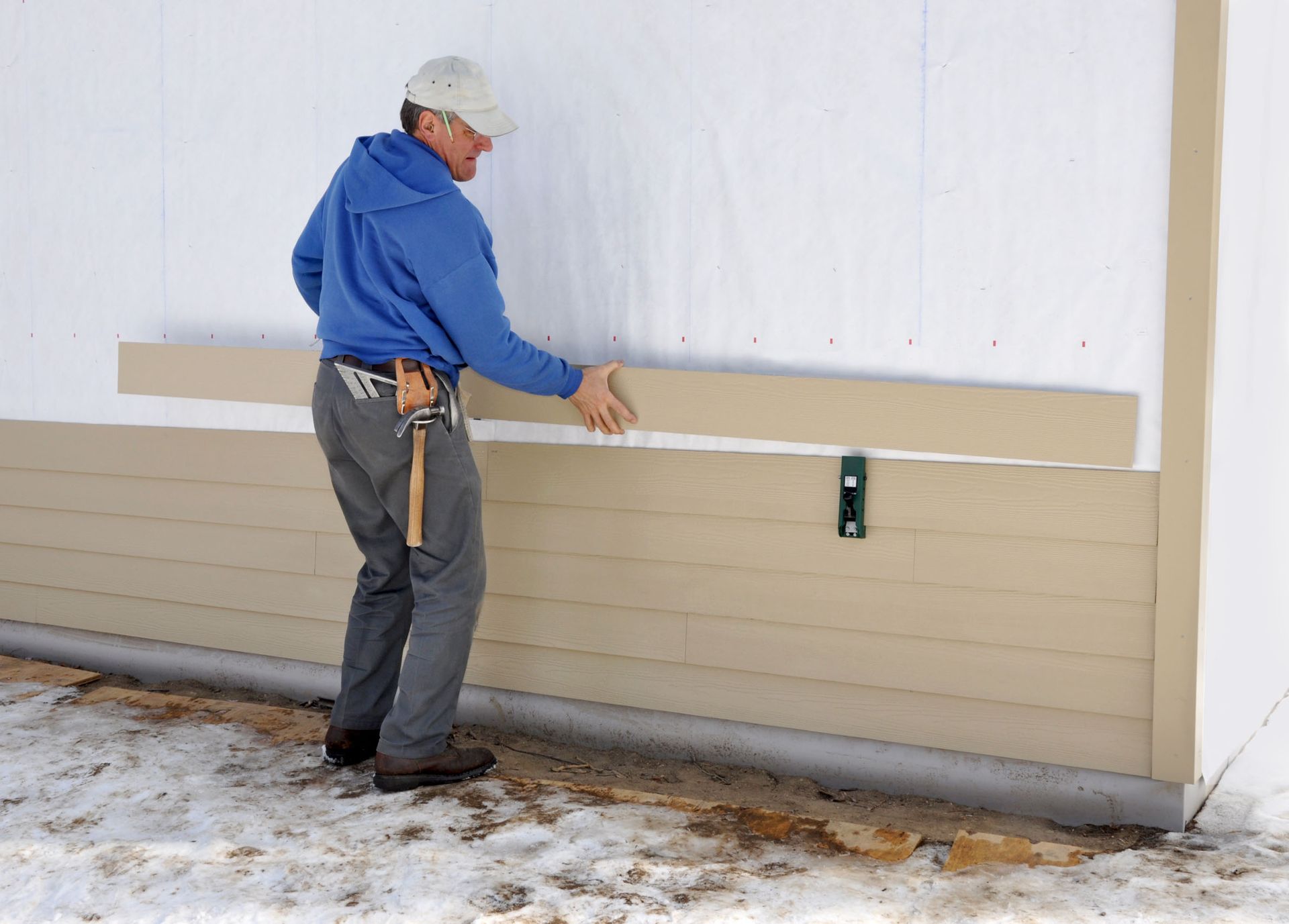
The visible installation phase involves measuring, cutting, and fastening siding panels. Contractors must align each piece carefully to create a clean, even appearance. Proper spacing is also important because some materials expand and contract with temperature changes.
Fasteners must be placed correctly to keep panels secure without restricting movement. According to This Old House, each panel must often be nailed 12 to 16 inches on center to ensure stability. Careful fastening helps prevent warping, buckling, loose sections, and future repair issues.
Sealing, Ventilation, and Finishing
Sealing and waterproofing are important steps in siding installation. Contractors apply sealants around joints, edges, trim, windows, and doors to help prevent moisture from entering the wall system. Waterproofing methods may vary depending on the siding material and manufacturer recommendations.
Ventilation is also important because trapped moisture can lead to mold, mildew, and structural damage. Contractors may install or preserve vents that allow air to circulate properly. Once the siding is secure, finishing details such as trim, paint, caulk, and touch-ups complete the exterior appearance.
Final Inspection and Walk-Through
After the main work is complete, the contractor performs a final inspection. This review checks alignment, fasteners, trim, sealing, finish quality, and overall workmanship. Any minor gaps, marks, or imperfections should be corrected before the project is considered finished.
A customer walk-through gives homeowners the opportunity to review the completed siding service and ask questions. The contractor may explain maintenance steps, warranty details, and signs of damage to watch for in the future. This final review helps confirm that the work matches the contract and meets expectations.
Post-Installation Care
Once the project is complete, homeowners should keep warranty documents, product information, and contractor records in a safe place. Warranty terms can vary by material and manufacturer, so it is important to understand what is covered and what maintenance is required.
Routine care helps preserve the appearance and performance of the siding. Homeowners should clean the surface periodically, remove debris, inspect for cracks or loose sections, and check caulking around windows and doors. Annual inspections can help catch minor problems before they become expensive repairs.
Managing Common Concerns
Homeowners should expect some noise, equipment, and temporary disruption during a siding service. Contractors can reduce inconvenience by communicating daily schedules, keeping the work area clean, and explaining any changes as they arise. Clear communication is one of the most important parts of a successful project.
Another important consideration is resale value. Updated exterior materials often improve first impressions and can make a property more attractive to future buyers. A professionally completed siding project signals that the home has been properly maintained, which can increase buyer confidence during inspections. In many cases, modern siding options also offer improved insulation and reduced maintenance, making the property more appealing in competitive housing markets.
Weather can also affect the timeline. Rain, snow, high winds, or extreme temperatures may delay work or impact material handling. A reliable contractor will adjust the schedule when needed to protect quality. With proper planning and realistic expectations, homeowners can move through the process with confidence and enjoy the lasting benefits of a stronger, more attractive exterior. Contact our team at Sublime Exteriors today and learn more about our siding services.