November 26, 2025
Choosing the right siding for your home or building is a major decision that affects long-term appearance, durability, maintenance needs, and overall property value. With so many siding materials available today—ranging from vinyl and cedar to fiber-cement and modern composite options—homeowners often feel overwhelmed when trying to determine which choice best suits their goals. Each material offers its own advantages, design qualities, and maintenance requirements, and navigating these details without professional guidance can lead to costly mistakes. This is why working with an experienced siding contractor is invaluable. A qualified professional not only understands the technical strengths of different siding materials but also evaluates how well each option aligns with your home's architecture, climate conditions, and budget. Their expertise helps homeowners compare materials accurately and make confident, educated decisions about their exterior investments.
Understanding Material Performance and Long-Term Durability
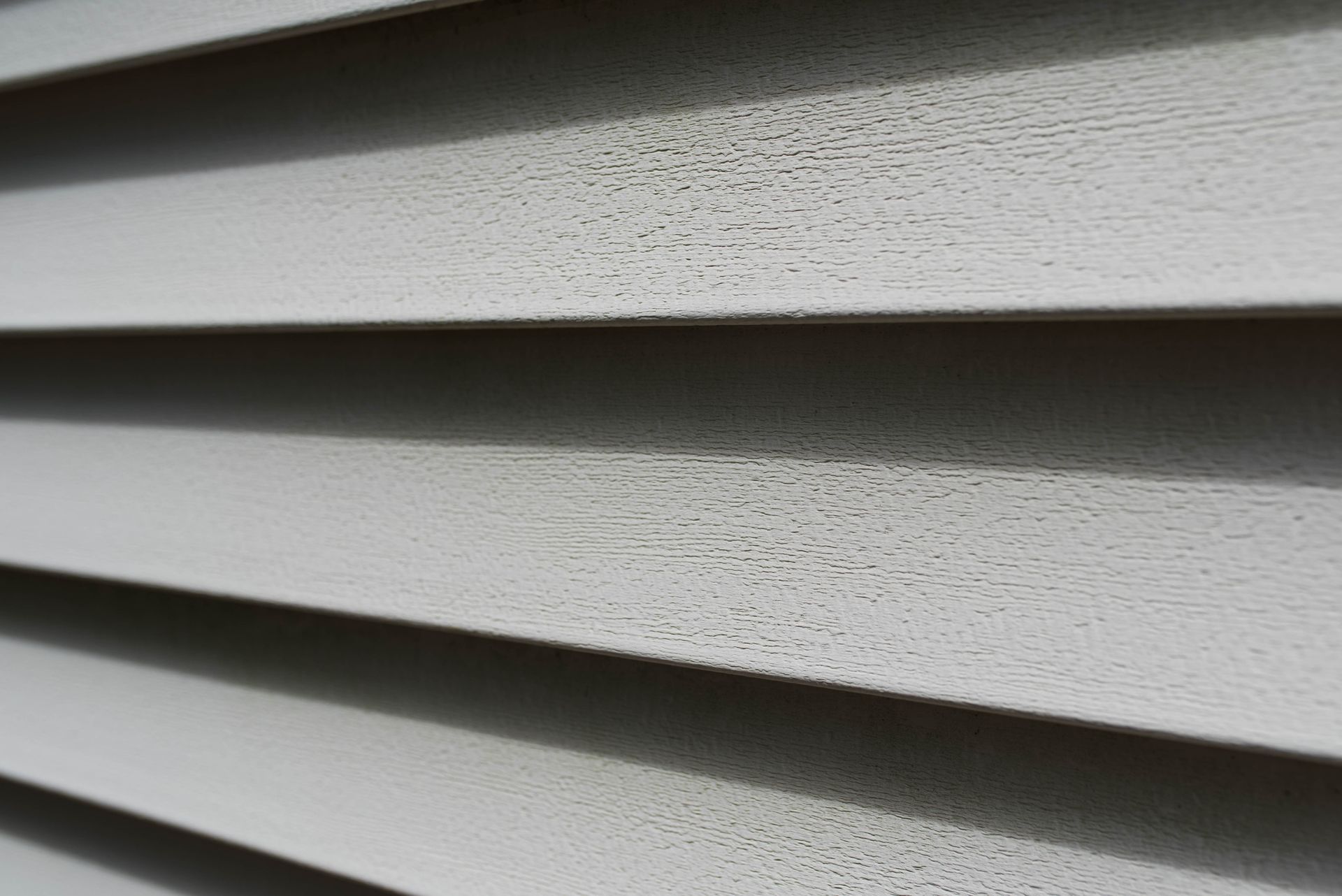
One of the primary ways a siding contractor helps homeowners compare siding materials is by explaining how each option performs over time. Durability varies significantly from one siding product to another, and what may work well in one climate or setting might not be ideal in another. Vinyl siding, for example, is known for its low maintenance, affordability, and resistance to moisture. It performs especially well in climates that experience frequent rainfall, as it does not rot or warp. A siding contractor can explain how vinyl reacts to extreme temperatures, UV exposure, or impact, helping homeowners understand its strengths and limitations.
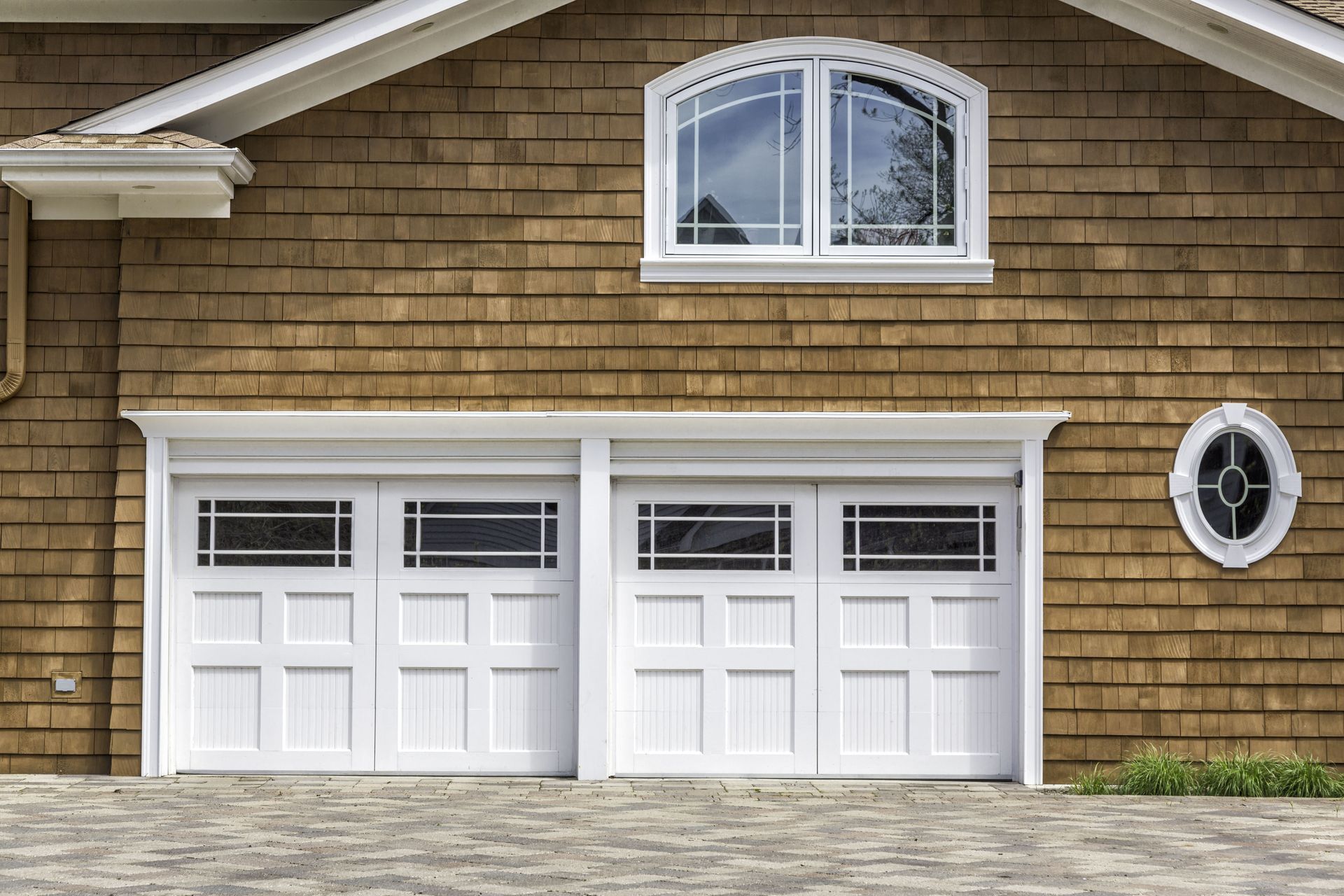
Cedar siding, on the other hand, offers a natural and timeless look that many homeowners love. However, it requires a higher level of ongoing maintenance to preserve its color and weather resistance. According to Today’s Homeowners, cedar siding should be re-stained or repainted every three to five years to preserve its appearance. This maintenance schedule can influence long-term costs, making it important for homeowners to understand what owning cedar siding entails. A siding contractor helps compare this material’s aesthetic benefits with its upkeep requirements, ensuring homeowners are fully informed.
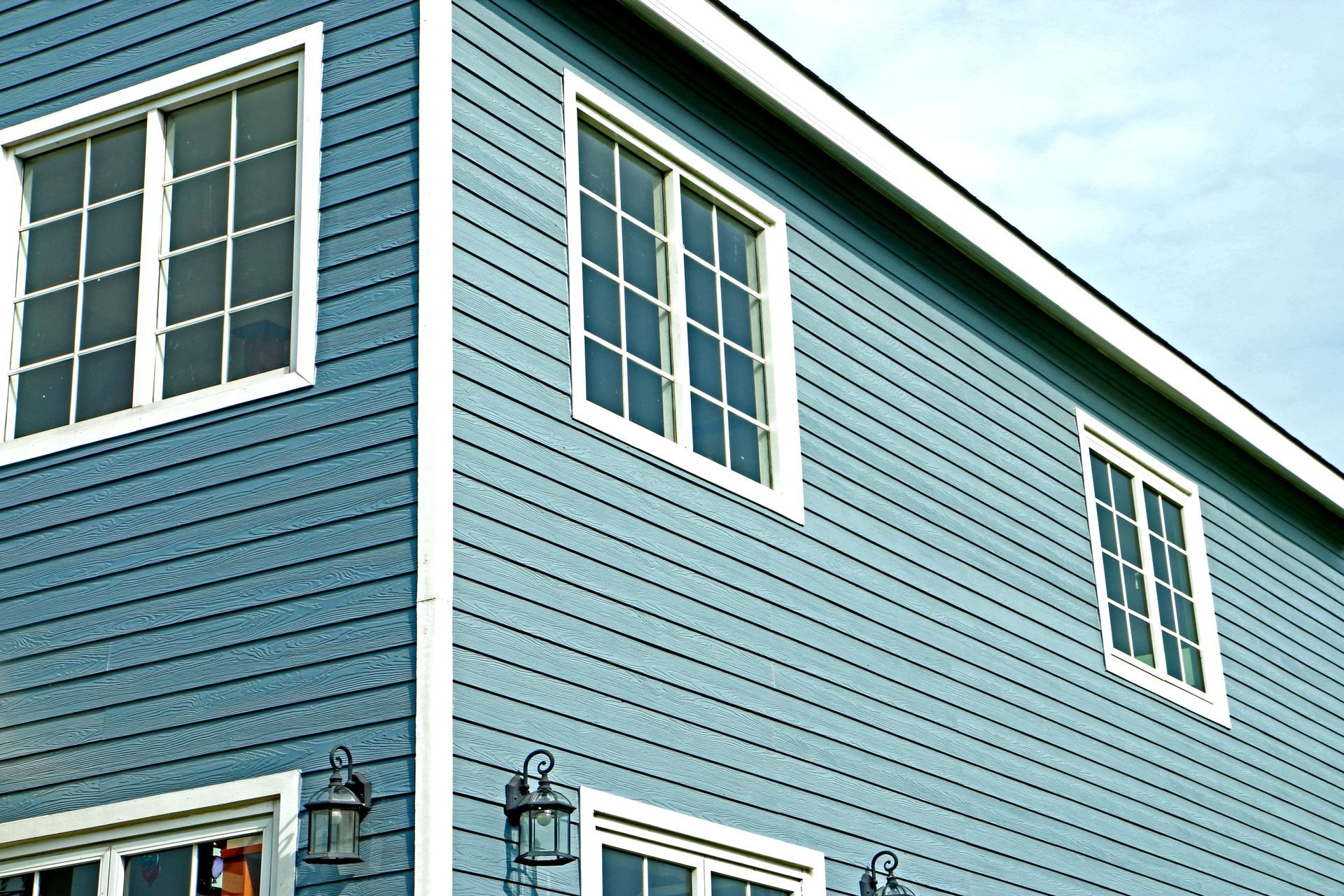
Fiber-cement siding is another popular choice for its durability, fire resistance, and ability to mimic the appearance of wood while requiring less maintenance. However, it is heavier than vinyl or cedar and requires specialized installation techniques. A siding contractor helps homeowners weigh the quality, longevity, and installation considerations of fiber-cement siding against other options.
For homeowners planning new construction or extensive exterior renovations, modern engineered materials may also be considered. These products offer enhanced durability and moisture resistance but vary widely in price and finish. By providing insights based on professional experience, the siding contractor ensures that homeowners understand how each material performs in real-world applications.
Evaluating Maintenance Requirements and Long-Term Care
Maintenance is a major determining factor when comparing siding materials, and a siding contractor plays a key role in helping homeowners understand the long-term responsibilities associated with each option. Vinyl siding is widely chosen for its low maintenance, as it primarily requires occasional cleaning to remove dirt, pollen, and mildew. Because it never needs to be painted or stained, vinyl is ideal for homeowners seeking a minimal-maintenance solution.
Cedar siding, while visually appealing, demands more frequent attention. The natural composition of cedar means it is susceptible to weathering, fading, and moisture damage if not properly maintained. A siding contractor ensures homeowners understand the commitment required to keep cedar siding beautiful and structurally sound. They may also suggest protective stains, sealants, or coatings that extend their lifespan.
Fiber-cement siding provides a middle ground in terms of maintenance. It typically needs repainting less frequently than traditional wood and resists many common issues such as rot, insects, and fire. However, because it is heavier, its installation and repair processes can be more involved. A siding contractor helps homeowners determine whether the reduced maintenance requirements balance out the higher upfront installation cost.
Comparing Aesthetic Qualities and Architectural Compatibility
The appearance of siding plays a significant role in curb appeal, and a siding contractor helps homeowners evaluate how different materials complement their home’s architectural style. Vinyl siding offers a wide variety of colors, textures, and profiles, making it versatile enough for traditional, modern, and transitional designs. Homeowners who want a clean, consistent appearance often find vinyl a suitable choice.
Cedar siding is highly valued for its natural wood grain and warm aesthetic. It is particularly well-suited for rustic, craftsman, or cottage-style homes. A siding contractor helps homeowners compare different grades of cedar, such as bevel, shake, or tongue-and-groove, and explains how each option influences the final appearance of the home.
Fiber-cement siding, which can replicate the look of wood, stucco, or masonry, offers aesthetic flexibility while maintaining durability. Homeowners seeking a balance between beauty and strength often choose fiber-cement for its ability to provide a custom look with less maintenance than natural wood. A siding contractor assists in evaluating styles, such as lap siding, board-and-batten, or shingle-style panels, ensuring the final design supports the home’s architectural character.
When a home is undergoing a complete exterior upgrade—such as adding new gutters, replacing roofing, installing railing, or repainting—a siding contractor can coordinate material and color choices to ensure a cohesive and attractive result. Their familiarity with exterior design elements helps homeowners make selections that enhance the entire property, not just the siding alone.
Reviewing Cost Considerations and Value Over Time
Budget plays an important role in siding selection, and a siding contractor helps homeowners compare upfront costs with long-term value. While vinyl siding is generally the most affordable option, its durability and low maintenance make it an excellent long-term investment for many households. A contractor breaks down material costs, installation expenses, and projected lifespan so homeowners can understand the true value of their choices.
Cedar siding, though more expensive upfront and throughout its lifespan due to maintenance needs, delivers a distinctive and high-end appearance. A siding contractor helps homeowners evaluate whether the aesthetic benefits outweigh the long-term financial commitment required for upkeep.
Fiber-cement siding typically falls in the middle regarding cost. Although more expensive than vinyl, its durability and resistance to common issues can make it a cost-effective option in the long run. A siding contractor provides detailed comparisons, including expected replacement timelines, maintenance frequency, and warranty coverage, so that homeowners can weigh short-term and long-term financial impacts.
Relying on Professional Guidance for Installation, Quality Assurance, and Long-Term Support
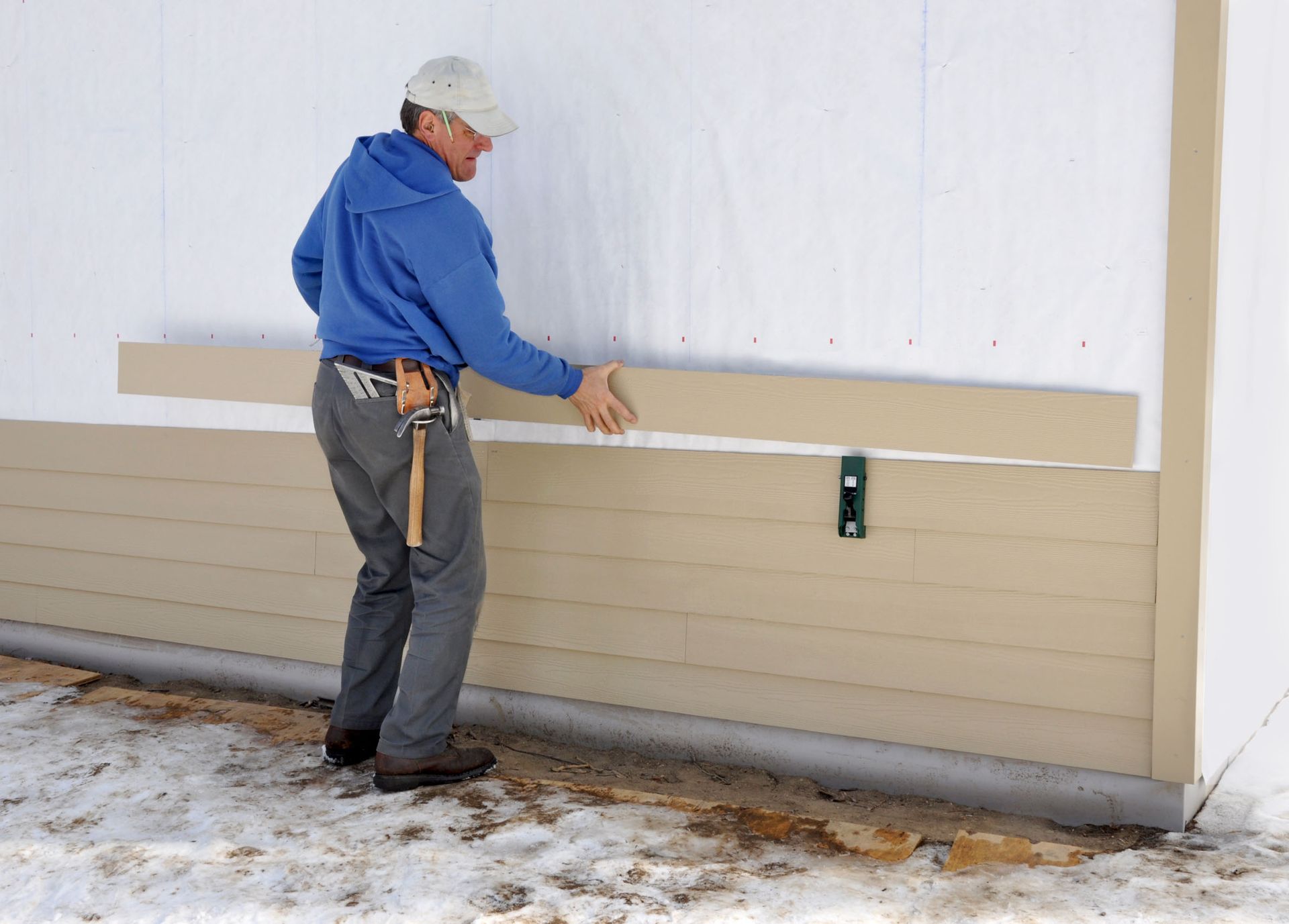
The expertise of a siding contractor extends beyond helping homeowners compare materials—they also ensure the selected siding is installed correctly and maintained properly. Proper installation is crucial, as even the highest-quality siding can fail prematurely if installed incorrectly. Contractors ensure siding panels are aligned, sealed, and secured properly, preventing moisture infiltration, warping, and wind damage.
A siding contractor’s comprehensive knowledge of exterior systems is especially valuable. Because many professionals also offer services such as gutter installation, exterior painting, roofing work, and railing installation, they understand how each exterior component affects the others. This whole-property approach helps prevent issues like water runoff problems, paint failure, or structural expansion conflicts.
Contractors also provide ongoing support through inspections, repairs, and maintenance recommendations. Homeowners benefit from having a trusted expert who is familiar with their property and can advise on cleaning schedules, paint or stain cycles, and potential damage caused by weather or aging. By comparing materials, explaining performance differences, reviewing maintenance needs, and providing expert installation, a siding contractor guides homeowners through one of the most significant exterior investments they will make. Call Sublime Exteriors today to schedule your siding or exterior remodeling service.